Showing posts with label keto diet recipes. Show all posts

Monday, June 22, 2020

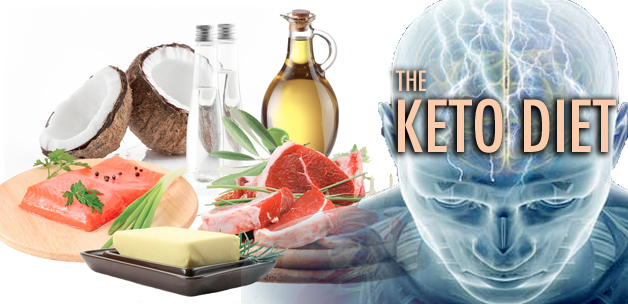
Benefits of the Ketogenic Diet for the Body and Brain

Keto is everywhere; it's the new buzzword, the new favorite among those looking to shed pounds, and the new hate victim of the food-pyramid-spouting-eat-your-whole grains mainstream medical industry. The keto diet, while it is not the magic cure-all for every single disease on the planet, does a pretty dang good job at being the potential causer of healing many horrible conditions. So let's cut through the science, separate fact from fiction, and look at the benefits of the keto diet.

Benefit #1: Weight Loss
Okay, so this one isn't so astounding, but it is one of the most common reasons people embark on the keto diet. So why is weight loss usually so easy on the ketogenic diet instead of other regular diets? For all of the following reasons:
•   The keto diet is composed of approximately 75% fat, 20 % protein, and 5% or less carbohydrates. The high fat content and lack of sugar means diminished cravings, lack of blood sugar swings and binges, and increased satiation. Increased satiation=eating less. Many people also have food sensitivities to grains, even gluten-free ones, so eliminating them may lead to an increased ability to absorb minerals like magnesium and potassium, which in turn means your body is more nourished and you have fewer cravings


•           Ketones. When your blood sugar is running low, your body turns to its glycogen stores for energy. Typically glycogen stores house about 2000 calories of "backup" energy for when you run out of glucose. Like the intelligent machine it is, your body depletes the glycogen stores and then turns to your own body fat for fuel.

IMPORTANT: The ketogenic diet is not a free-for-all eat however much cheese or super low-carb fat bomb treats you want diet. If you are eating way more calories than you need, you will not lose weight. So focus on keeping your diet around fatty cuts of grass-fed meat, butter, eggs, avocados, lots of green veggies and cruciferous, and be modest with the keto desserts, dairy, and sweets.

Benefit #2: Brain Function

A poorly functioning brain, as you may have already experienced, leads to lessened work productivity, which in turn means an unhappy boss, lack of job satisfaction, sugar cravings for energy, and depression. It's a horrible domino effect. The original ketogenic diet was formulated by Dr. Russell Wilder in the early 20th century to treat epilepsy. The success rate was phenomenal and it is still used today to treat epilepsy and other brain disorders. Research also indicates that ketones are more efficient brain fuel than glucose. (Source: https://www.ncbi.nlm.nih.gov/pmc/articles/PMC5102124/)

Benefit #3: Potential Cancer Benefits

One study showed implementing the ketogenic diet led to a dramatically increased survival time and slower tumor growth. (Source: https://www.ncbi.nlm.nih.gov/pmc/articles/PMC5450454/)
Conclusion

If you're reading this article now, chances are you are in some sort of pain, whether physical and/or mental (being overweight, struggling with autoimmune disorders, thyroid disease, fatigue, brain fog) and want to change. Use this information, don't just skim through it and store it in the back of your brain and say "that's nice for some people", motivate yourself to change.
The physical version of the Essential Keto Cookbook with 100+ Keto recipes including breakfast, appetizers, entrees, desserts, drinks, and snacks.  Net-carb, fat, protein, and calorie count for every recipe.  Enjoy recipes like Creamy Breakfast Porridge, Fiery Buffalo Wings, Mini Burgers, Jalapeño Corn Bread, Fish Tacos, Popcorn Shrimp, and tons more.

The book is 100% FREE to buyers, they just have to pay for shipping. Limited quantities while supplies last.


Sunday, June 14, 2020

Keto Diet Plan and Recipes

How to start a ketogenic diet plan | Food to eat on a keto d… | Flickr
A “typical” ketogenic diet consists of at least 70 percent of calories derived from fat, less than 10 percent from carbs and less than 20 percent from protein. The ketogenic diet, long used to treat epilepsy in children, calls for 90 percent of daily calories to come from fat, with the amount of protein or carbs varying as long as it’s 4 grams of fat for every combined 1 gram of carb and protein, according to the American Epilepsy Society. That can mean chowing down on a lot of cheese, butter, eggs, nuts, salmon, bacon, olive oil and non-starchy vegetables such as broccoli, cauliflower, greens and spinach. For the arithmetic-challenged, apps and online programs can do the math for you. (No matter what, the keto diet is vastly different than the USDA dietary recommendations of 45 to 65 percent of one’s total calories to be carbohydrates, 20 to 35 percent from fat and 10 to 35 percent from protein.)
The goal of the ketogenic diet is to enter a state of ketosis through fat metabolism. In a ketogenic state, the body uses primarily fat for energy instead of carbohydrates; with low levels of carbohydrate, fats can be converted into ketones to fuel the body.
The physical version of the Essential Keto Cookbook with 100+ Keto recipes including breakfast, appetizers, entrees, desserts, drinks, and snacks.  Net-carb, fat, protein, and calorie count for every recipe.  Enjoy recipes like Creamy Breakfast Porridge, Fiery Buffalo Wings, Mini Burgers, Jalapeño Corn Bread, Fish Tacos, Popcorn Shrimp, and tons more.
The book is 100% FREE to buyers, they just have to pay for shipping. Limited quantities while supplies last.

Can I lose weight on the keto diet?
Yes. Certainly in the short-term, it appears that way. For the first two to six months, there’s evidence that a very low-carbohydrate diet can help you lose more weight than the standard high-carbohydrate, low-fat diet, according to a new literature review of low-carb diets by the National Lipid Association.
“By 12 months, that advantage is essentially gone,” said Carol F. Kirkpatrick, director of Idaho State University’s Wellness Center, and lead author of the new literature review.
After that, weight loss seems to equalize between those two popular diet regimens. She said keto was best used to kick-start a diet, before transitioning to a carb intake that you can adhere to for the longer term.
BAMC

Advice from the battling diet camps can be confusing. But Dr. Hall of the National Institutes of Health said there is a middle ground: “Can we get beyond this low-fat, low-carb diet wars, and look to where people have this common piece of advice?” He said some versions of both the low-fat and keto diets can be healthier than the standard American diet, which is known as SAD for a reason. Low in vegetables and fruit, it’s filled with prepackaged foods with additives, added sugars and unrecognizable ingredients.
Keto isn’t the only way to lose weight or change your life, obviously. Dietitians say it is not essential to cut back on as many foods, since a moderate low-carb diet may still hold benefits for diabetes or weight loss.
One thing is certain: Any meaningful change starts with behavior. Are you at a right point to make a change in your life? Dr. Yancy suggests asking friends and family to support you, confer with a doctor, incorporate physical activity and begin to think of it not as a temporary measure but more of a lifestyle change

Some recipes for you (Video)


For Delicious Breakfast recipes click here